Polymer's Journey from Small Arms to Artillery Shells
From lightweight UAV frames to artillery shells, the future of defense isn't brass or steel—it's plastic.
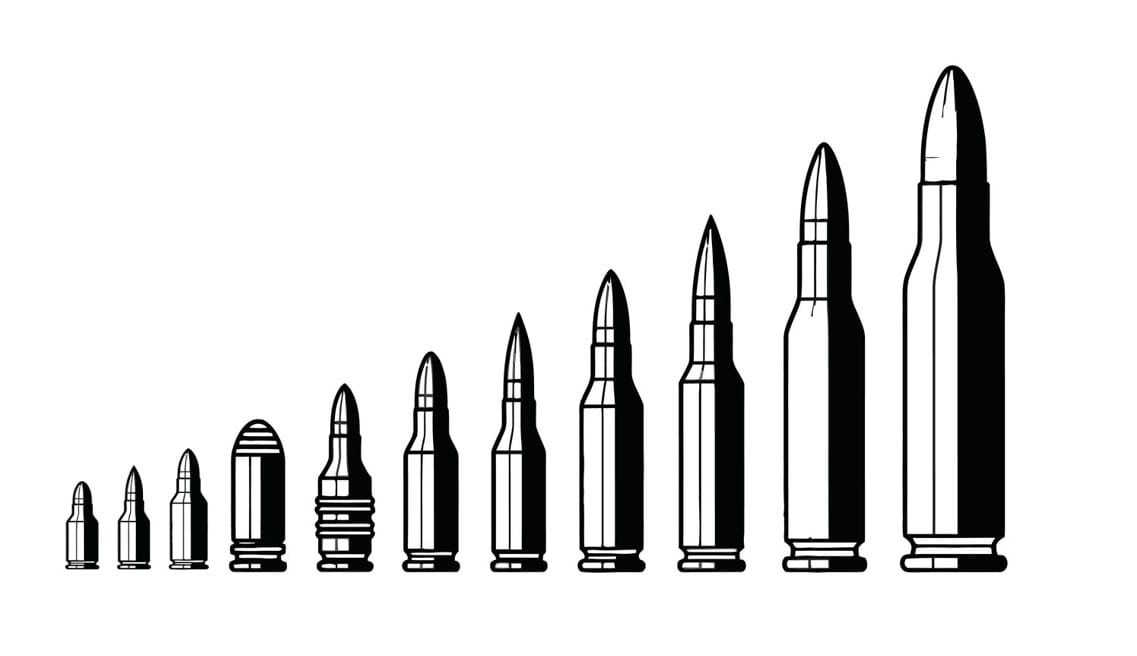
When the US Marine Corps awarded a landmark $95 million contract for polymer-cased .50-caliber ammunition, it marked a turning point in military logistics. For decades, munitions manufacturing has been dominated by heavy brass and steel, but the Marine Corps contract validated the advantages of using a different raw material. Replacing traditional metallic cases with high-strength polymer composites lowered the ammunition weight by up to 30%, eases supply chain friction, reduces the propellant charge required by up to 6%, and minimizes chamber heat transfer during rapid fire.
Significantly, the munitions supplier Nammo highlighted a key feature of the transition: “No modifications are necessary in weapons or procedures when using their polymer-cased cartridges.”
The move away from metal was also widely supported by frontline soldiers, as one Marine Corps veteran noted, “Having humped more than a few cans of .50 BMG in my time, at a savings of 7 lbs to an ammo can and nearly 100 more rounds to a 100 lb batch, I can support it.”

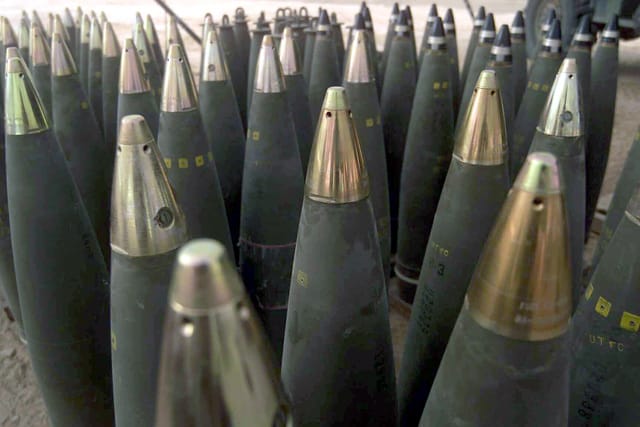
Successful tactical deployment in small arms naturally pointed toward a far larger bottleneck in military logistics. While infantry ammunition weight is substantial, field artillery presents the heaviest logistical burden—requiring thousands of tonnes of heavy brass and steel casings to be transported across global supply chains.
This raised an obvious question for materials researchers and munitions manufacturers: If polymer composites perform reliably in infantry weapons, why are artillery systems still reliant on legacy metallic casings?
The Engineering Wall: Scaling Polymer Composite Technology
Scaling a polymer cartridge case from a small-arms round (like 7.62×51 mm or 12.7×99 mm) up to heavy artillery formats like 105 mm, 122 mm, or 152 mm is not a matter of simply "making the mold bigger". Large-caliber artillery rounds generate thermal loads, chamber pressures, and mechanical stress profiles that shatter standard commercial-grade polymers. Under sustained rapid-fire conditions, standard plastics soften, melt, or fail to extract, causing catastrophic gun jams.
Overcoming this engineering barrier led scientists to look beyond conventional plastics to find a solution with nanotechnology.

Operational Advantages for Defense Procurement
Replacing traditional steel and brass cases with nanomodified polymers across the entire caliber spectrum delivers several core advantages:
- Substantial Weight Reduction: Casing weight is reduced by 20% to 40%, enabling cargo aircraft, transport trucks, and supply vessels to haul significantly more rounds per payload cycle.
- Thermal Insulation & Cook-Off Prevention: Polymers serve as natural thermal insulators. Unlike metal, which absorbs heat and transfers it into the weapon chamber, advanced polymers help isolate combustion heat, expelling thermal energy through the muzzle.
- Corrosion Resistance & Shelf Life: Polymer casings do not degrade, rust, or react to high humidity and maritime environments during long-term strategic stockpiling.
- Manufacturing & Cost Scalability: Advanced polymer processing allows precision manufacturing at scale, reducing supply-chain reliance on volatile copper and brass commodity markets.
A Unified Polymer Defense Ecosystem
High-performance composite materials are expanding beyond ammunition. The same nanomodified polymer matrices engineered for high-pressure combustion are being adapted to a wider spectrum of tactical applications.
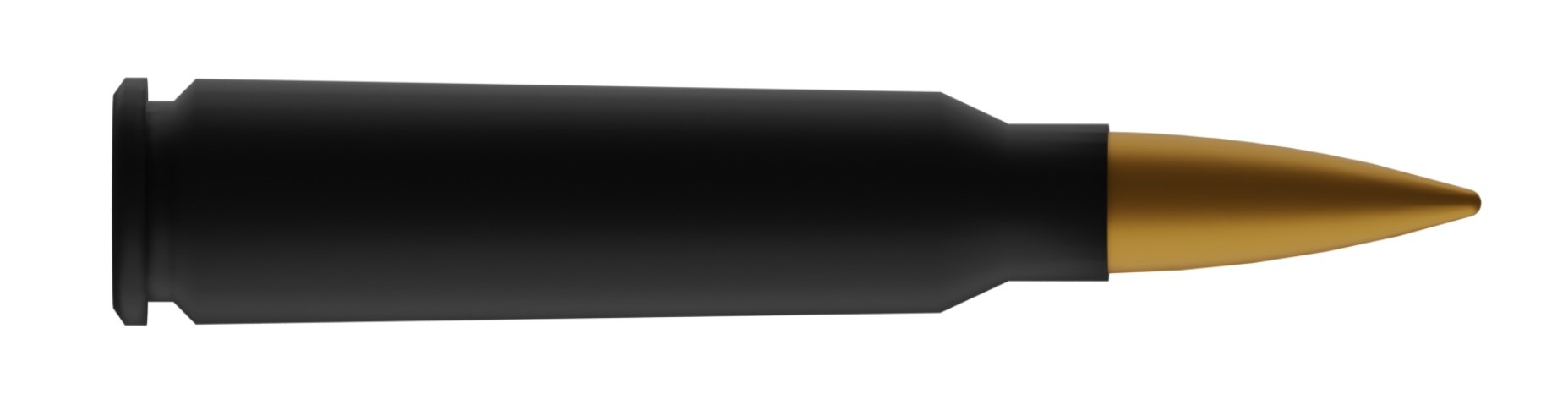
At AG Defense Polymers, for example, proprietary nanostructured polymer technology is applied across:
- Small-arms and large-caliber artillery casings
- Shoulder-fired rocket systems
- Lightweight structural frames for Unmanned Aerial Vehicles (UAVs)
- Modular vehicle and personal protective ballistic armor
What began as a weight-saving experiment in Marine Corps munitions procurement has become part of a sea-change in raw material selection across the defense industry.
By engineering polymer composites at the molecular level, manufacturers are now building a lighter, more agile, and thermally efficient future for tactical hardware. One that isn't cast in brass or forged in steel, but is instead molded in advanced nanostructured polymers.
Photo credit: Vecteezy, AG Defense Polymers, Vecteezy, & Vecteezy